My second From Insight to Impact video interview was with Justin Amendola, a senior marketing and strategy executive with a great deal of experience in the digital field, most recently at Meta. We talked about how companies can get more value from insights. One quote from Justin stuck with me: “Most companies are data-rich and information-poor.” It’s a striking observation that connects to everything we discussed.
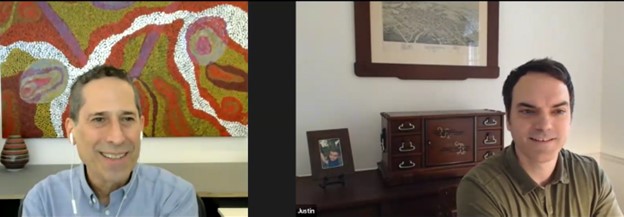
The conversation crystallized three ideas for me: that impact begins with alignment, that courage means knowing when to listen and when to lead, and that AI will redefine, not replace, the human side of insight.
1. Aligning across teams
Justin’s first recommendation was simple but powerful: get the right people in a room early in the year. Invite leaders from marketing, product, and sales to share their top five priorities. Then look for the overlap. “Even if only two or three priorities align,” he said, “that’s where you start.”
It’s such a practical way to make research more useful. Instead of insights being delivered into a vacuum, they’re designed around shared goals from the beginning. As Justin put it, when teams align on questions upfront, they’re more likely to use the answers all year long.
And for those of us who work with clients, this is something we can offer: to facilitate that kind of alignment session. Helping teams clarify what insights they’ll need may be just as valuable as providing the insights themselves.
2. Knowing when to listen and when to lead
Justin also shared a candid story about a digital product launch that didn’t go as planned. The research made it clear that customers weren’t ready for the new apps, but leadership pushed ahead anyway. Six months later, several of the apps were quietly shelved.
It’s a story many of us have seen play out in different forms. Of course, marketers can point to famous counter-examples, like the Sony Walkman, where customers said “no” in testing, but loved the product once it was launched. So how do you know when to move forward and when to pause?
Justin’s take: timing and readiness matter. “Even great ideas fail when the market isn’t ready,” he said. Sometimes a hunch is right, but early. Our role as researchers is to help leaders discern which situation they’re in. That might mean reframing the question, testing the why behind hesitation, or helping teams recognize when it’s time to pivot instead of push.
3. Humans + AI: the next chapter for insights
Finally, we talked about how AI is changing the field. Justin’s perspective was refreshing: “Researchers should think of AI as a complement, not competition.” He believes humans still have an edge in understanding context – especially emotional and cultural nuance. AI can process the data, but people translate it into meaning.
In the future, research teams may become leaner but more impactful, focusing on the 20 percent of work that adds the most value. With AI handling the heavy lifting, we’ll have more time for what humans do best: connecting the dots, telling stories, and understanding what people truly care about.
What struck me most from our conversation is that the role of the researcher is expanding. We’re not just interpreters of data – we’re facilitators, truth-tellers, and translators between information and action.
Whether it’s aligning teams, balancing conviction with evidence, or partnering with AI, our job is to help organizations turn all that data into wisdom.
You can view the full interview with Justin, as well as future interviews, on my YouTube channel here.
Let’s talk about how to generate insights that will benefit your organization. Contact me at info at bureauwest.com.
Source: “From Insight to Impact: Interview with Justin Amendola,” Bureau West, 10/8/25