Marketers tend to think of “health and wellness” as a category. But for many consumers, it has become a worldview – a filter they use to evaluate nearly every part of life, from how they shop to how they work and spend time online.
Today, wellness isn’t just about smoothies and supplements. It’s about living with balance, protecting mental space, and feeling in control. And that shift is quietly redefining what people expect from every brand, not just those in the health sector.
This shift toward wellness as worldview isn’t just cultural, it’s psychological. The way people define “healthy” now overlaps with how they define “good design,” “trustworthy brand,” and “worth my time.” Below, I outline three big mindset changes driving that overlap: how people filter everyday experiences through emotional wellbeing, how they seek balance over intensity, and how they treat calm and longevity as modern status symbols.
Wellness as a lens on daily life
Recent consumer research finds that most people now see wellness as a continuous, personalized practice rather than a set of isolated activities. It’s not limited to diet, exercise, or meditation – it’s about how every choice affects energy, focus, mood, and a sense of control.
- For many, wellness shows up in small, everyday decisions: choosing a digital service that doesn’t bombard them with notifications, preferring retailers that feel calm and organized, or seeking travel experiences that help them recharge instead of overschedule. Even outside the wellness industry, people now notice whether brands add to their equilibrium or disturb it.
- This means that every interaction – a checkout flow, a customer-service email, a loyalty program – is being subconsciously evaluated for its emotional effect. Frustration, confusion, or overwhelm feel like costs; clarity and ease are benefits.
- Takeaway: To resonate, brands need to feel restorative rather than draining. Streamlined design, transparent pricing, and gentle communication cues (like pauses, reassurance, or clear summaries) convey emotional intelligence. Even minor friction – a confusing menu, a manipulative pop-up – signals that a company is out of sync with modern consumer values.
Finding balance
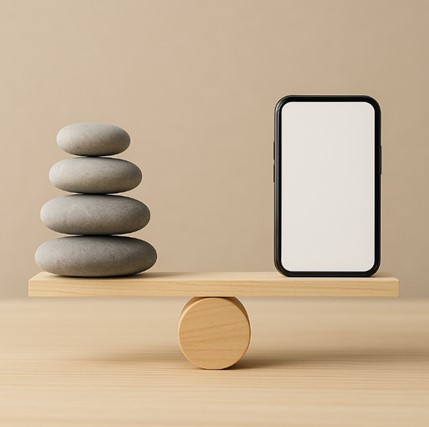
Earlier waves of wellness culture celebrated optimization: faster, stronger, leaner, “10X better.” But as burnout and overstimulation have become part of everyday life, many consumers now define wellness as balance and boundary-setting rather than endless striving.
- Gen Z in particular blends wellness with self-protection. Routines such as digital detoxes, mindfulness breaks, and prioritizing rest are less about peak performance and more about managing inputs and maintaining stability. People are increasingly skeptical of brands that encourage overextension or perpetual urgency.
- Instead, they value products, services, and experiences that simplify decisions and help them manage attention, time, and mental load. A software platform that makes workflows less chaotic, a retailer that organizes choices clearly, or a financial app that reduces anxiety all meet the deeper need for self-regulation.
- Takeaway: Marketers outside wellness can translate this by designing experiences that remove friction and return control to customers. Replace “act now” messaging with “take a moment” language. Frame tools and services as ways to protect time, not consume it. The brands that feel like partners in calm, not triggers for pressure, will win loyalty in an age of cognitive overload.
Status through mental peace
Wellness has also become a new marker of success. Where past generations signaled status through accumulation or busyness, today’s symbols of prestige are emotional composure, longevity, and mental peace.
- Cultural conversations about longevity – from biohacking and anti-aging supplements to sleep tracking and stress reduction – show that people increasingly equate being in control of their wellbeing with intelligence, responsibility, and even moral worth. To “age well,” “stay calm,” or “future-proof yourself” communicates discernment.
- For affluent consumers, longevity is the new luxury. For everyone else, balance is aspirational. Calm confidence signals power in a chaotic world. Brands that help people feel centered, future-ready, and emotionally steady tap into a powerful new form of aspiration – one less about status display and more about self-possession.
- Takeaway: Marketers can align with this by showing how their offerings support agency and composure. Position products as tools for protecting future wellbeing (“set yourself up for tomorrow”), use serene visual language, and highlight clarity and trustworthiness. The emotional promise is not “we’ll energize you” but “we’ll help you stay grounded.” In a culture overwhelmed by acceleration, calm itself has become aspirational.
What this means for marketers:
- Design for emotional climate. Treat your website, store, or service flow as part of your customer’s mental landscape. Test for stress as rigorously as you test for usability.
- Build micro-restorative moments. A clear confirmation message or a well-timed pause can have the same psychological impact as a breath in meditation.
- Make balance the hero. Replace narratives of busyness and optimization with ones of clarity, control, and sustainable progress.
- Connect with the “future-self” story. Help customers feel they’re investing in a version of themselves who’s calm, capable, and well.
- Show transparency and steadiness. A composed tone and visible integrity are today’s trust signals.
Wellness is no longer a niche; it’s the emotional infrastructure of modern life. Every brand is now part of someone’s wellbeing ecosystem – whether intentionally or not. Make sure your brand contributes to your customers’ well-being rather than increasing their stress. Let’s discuss how to do that! Contact me at info at bureauwest.com .
Sources: McKinsey & Company “Future of Wellness 2025”, NielsenIQ “Global State of Health & Wellness 2025”, Euromonitor “Healthy Longevity and Embedded Wellness Lifestyles”, Vogue Business “2025’s Hottest Trend: Living Longer”