Experienced customers are often unsure how to choose; the opportunity for marketers is to guide them with clarity.
In a recent project about how tennis players choose tennis balls, one of the most striking findings wasn’t about durability or bounce. It was about confidence. Even experienced players – people who have played for years and know the sport inside-out – told us they don’t really know how to choose a tennis ball. They’re confident on the court, but not in front of the shelf.
- What they do know is which balls the pros use. And that becomes the anchor for their own choices. If the top-tier “professional” ball feels too expensive, they often pick the next version from the same brand, assuming it must be similar enough. The nuances of felt type, bounce characteristics, or durability rarely play a central role. Instead, players rely on borrowed expertise.
Tennis is just the entry point to a larger phenomenon: expertise in using a product does not necessarily translate into expertise in choosing it.
This gap is wider today than ever. Shoppers face more information than they can reasonably absorb across the many domains of their lives. Every category has its own specs, rankings, reviews, and jargon. People simply don’t have the bandwidth to stay on top of all of it. So even experienced users – people who know the activity well – may feel underqualified when navigating the marketplace. In that context, relying on shortcuts becomes not just common but rational. Borrowing the judgments of pros, brands, or other trusted sources helps buyers reach a confident decision quickly.
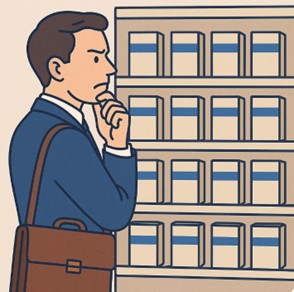
- We see this across categories. A skilled home cook might pick pots and pans based on what a celebrity chef endorses. A long-time runner may choose shoes because elite marathoners wear them. A serious hobby photographer often selects equipment based on a professional’s recommendation rather than the features that truly match their own needs.
- This same dynamic shows up in B2B. Business buyers are experts in their fields but not necessarily in the specific products they’re evaluating. A manufacturing executive may know operations inside-out yet still defer to analysts, integrators, or the industry’s “market leaders” when selecting software or equipment. A procurement team may lean on vendor tiering or Gartner rankings because it feels safer than decoding dense technical sheets.
The broader insight: buyers often want reassurance more than mastery. In a world of overwhelming information, feeling confident matters more than knowing every detail.
For marketers, this insight creates several opportunities:
- Make the choice architecture intuitive. Use naming, packaging, and product tiers that clearly signal who each option is for.
- Provide simple heuristics. Offer clear starting points: “If you value X, start here.”
- Translate expert logic into everyday language. Emphasize what each feature does for the customer.
- Clarify your product ladder. Highlight step-up benefits and trade-offs.
The takeaway: Your customers don’t need to become experts. They need to feel they’re making a smart, safe choice – and they’ll gladly borrow your expertise if you offer it in a clear, human way.
Want to help your customers make the right choice? Email me at info at bureauwest.com.