For decades, luxury operated under a single narrative: heritage, scarcity, and status by distance. That used to work because culture was more centralized: Paris, Milan, London, New York. Prestige signaled the same thing to everyone.
Not anymore. Today’s luxury buyers aren’t responding to a single idea of “the good life.” They’re chasing meaning, identity, experience, creativity, and sometimes rebellion. The signals of desire have splintered. What used to feel aspirational can now feel generic, or worse, out of touch.
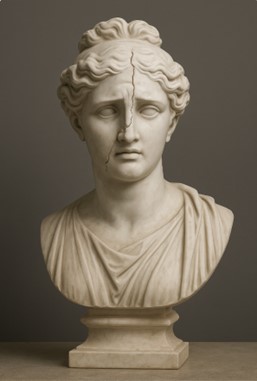
- And while luxury is feeling this shift first, any brand that relies on identity, aspiration, or premium pricing is moving into the same terrain.
This conceptual shift maps to different psychological storylines. Five of the most powerful expressions of luxury today are showing up like this:
- Explorer luxury tied to experience, individuality, and discovery. Aman Resorts is a perfect example, selling seclusion and personal immersion rather than opulence for display.
- Creator luxury fueled by artistry, innovation, and co-creation. Bottega Veneta demonstrates this with “quiet” craftsmanship and design-led identity instead of logos.
- Lover luxury centered on sensuality, intimacy, and self-expression. La Perla embodies this through luxury that’s felt on the body, not broadcast to others.
- Connoisseur luxury rooted in discernment, depth, and cultivated understanding. Hermès plays here, appealing to people who value mastery without fanfare.
- Outlaw luxury defined by rebellion, provocation, and cultural subversion. Balenciaga has built its relevance by breaking aesthetic rules while commanding high luxury pricing.
Brands that cling to a single inherited definition of luxury risk becoming invisible to the very consumers driving the market.
Here are four strategic pivots any luxury brand can act on, and they apply to any brand driven by meaning, identity, or aspiration.
- Decide what kind of desire you represent. Don’t rely on default prestige cues. Clarify whether your version of luxury is about mastery, creativity, seduction, exploration, transformation, or authority, and build around it.
- Replace distance with depth. Exclusivity doesn’t have to mean aloofness. Private client experiences, cultural collaborations, and insider access deliver status through intimacy rather than separation.
- Localize without losing your center. Cultural authority isn’t owned by one region anymore. The future belongs to brands that adapt expression to different markets without diluting identity.
- Let people participate in the story. Younger luxury buyers don’t just want to own something rare, they want to shape it, remix it, or see themselves in it. Drops, co-designed capsules, and digital-first touchpoints reward involvement instead of worship.
Luxury is no longer defined by a single narrative. The opportunity is not to abandon the roots of luxury, but to declare which emotional territory you own now.
And while this shift is most visible in luxury, the pattern is already spreading. Any brand that focuses on meaning or aspiration faces the same choice. The brands that will stay relevant aren’t the ones with the longest history. They’re the ones with the clearest identity.
If you’d like help clarifying which emotional territory your brand occupies – or should occupy – I’d love to help. Contact me at info at bureauwest.com
Sources: “A new vocabulary for luxury: The nine archetypes defining its future,” Luxury Daily, October 13, 2025; Bureau West research and analysis